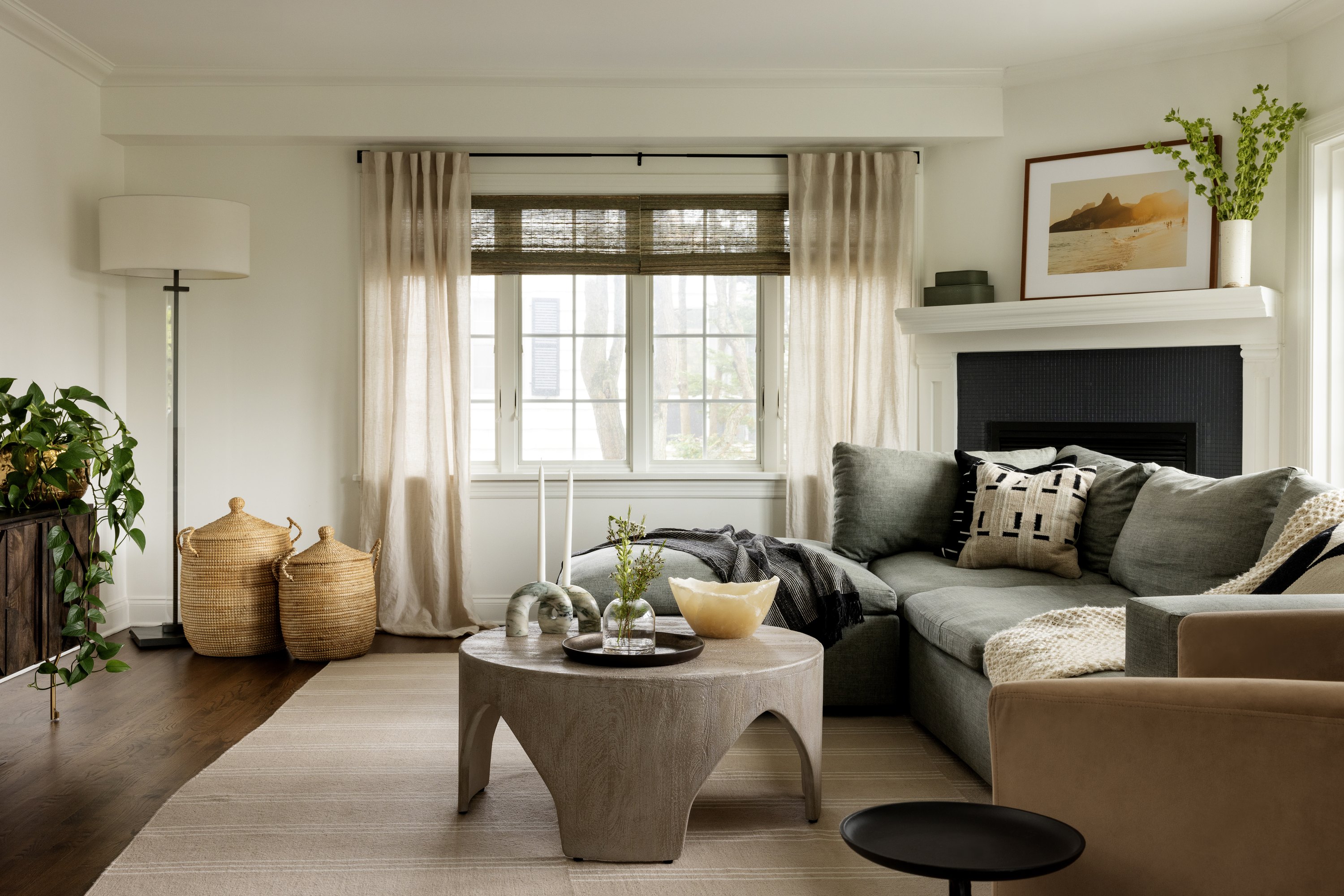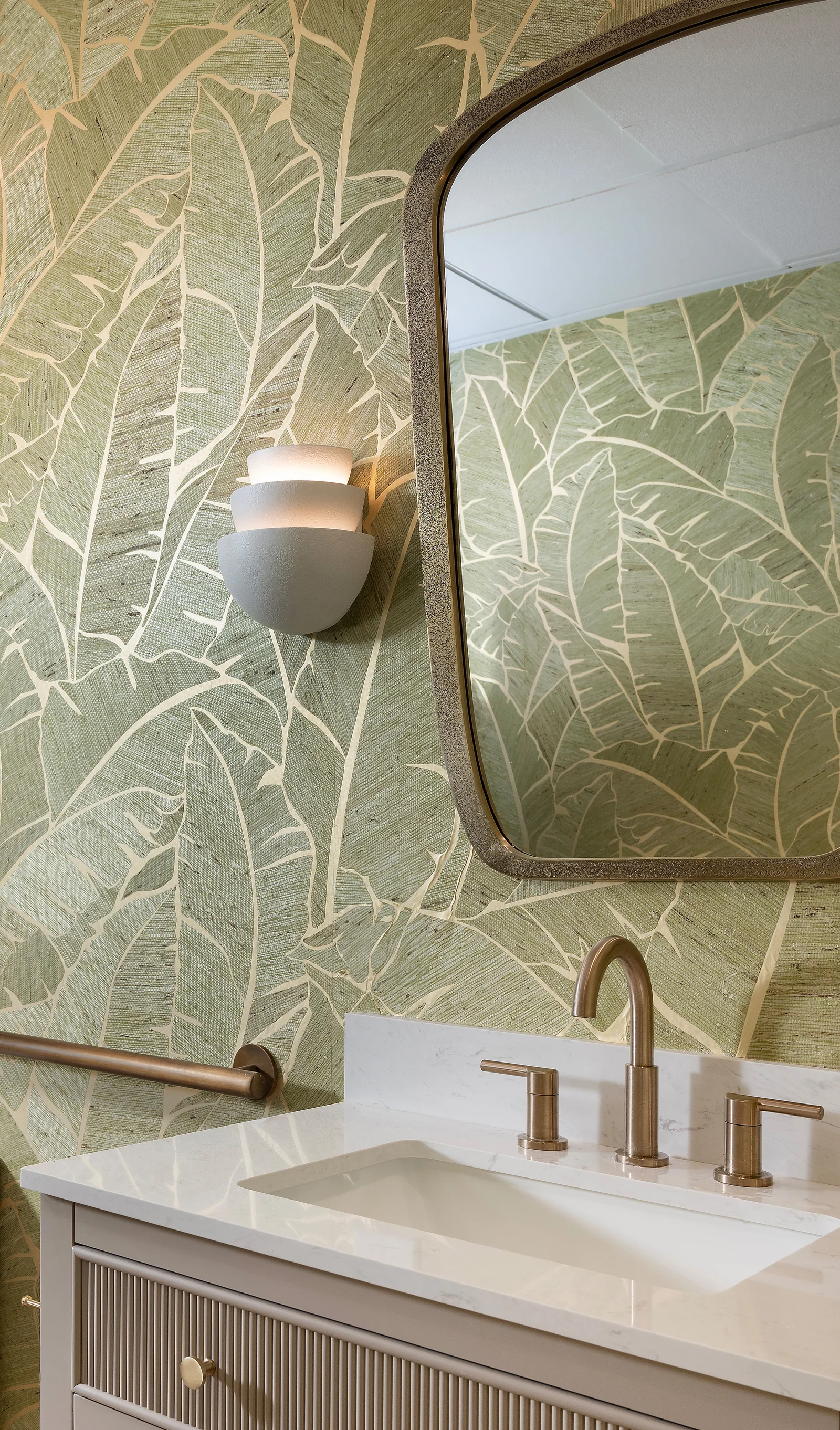
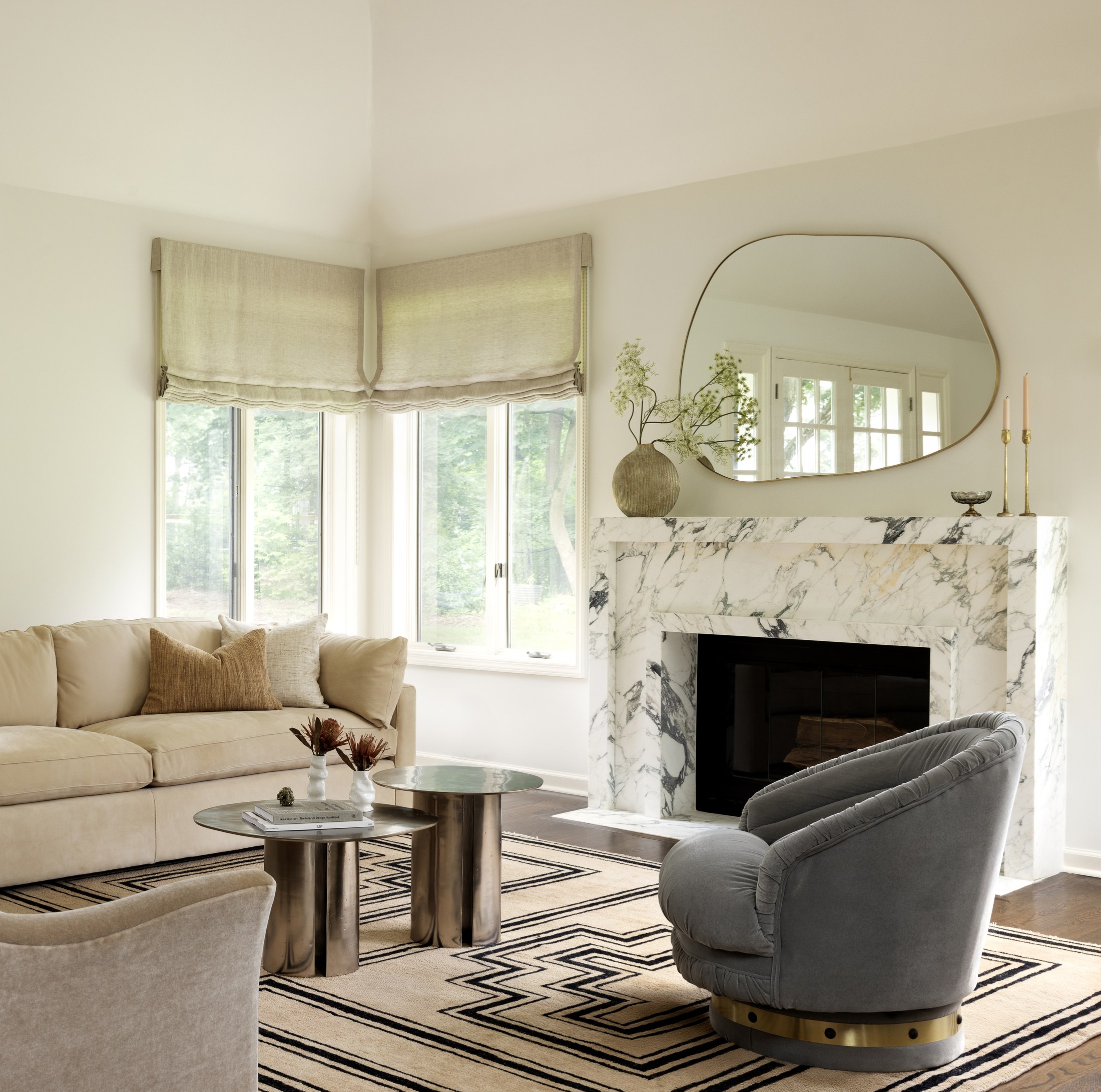
Custom furniture begins with a specific room. Its proportions, material, and function are developed in response to the architecture and the way people will live around it.
On This Page
The Room Writes the Brief
A custom piece starts by reading the space around it. Wall lengths, window positions, circulation, and nearby furniture establish the practical limits. Light, material, and architectural rhythm establish the character.
This is why a piece designed for one room can feel inevitable there. It is not simply placed into the plan. It is shaped by the plan from the beginning.
Proportion Comes First
A few centimeters can change how a table relates to a sofa, how a console sits beneath art, or how a chair holds its own beside a fireplace. Height, depth, and visual weight need to be considered together.
The right proportions create ease. A piece can be generous without crowding the room, substantial without feeling heavy, and distinctive without interrupting movement.
Function Can Live Inside the Line
Practical needs do not have to appear as additions. Storage, access, comfort, and durability can be resolved inside the form so that function and silhouette feel like one decision.
A thoughtful detail might be as quiet as the depth of an edge, the position of a handle, or the way a base meets the floor. These choices are small, but together they determine how the piece feels in use.
Material Connects the Piece to the Interior
Material is one of the clearest ways to connect furniture to architecture. A wood tone can relate to millwork. A stone can echo a fireplace or counter. Metal can repeat a smaller accent elsewhere in the room.
The connection does not need to be literal. It can come through tone, texture, or level of finish. What matters is that the piece belongs to the same material story as the space.
One Design Language, Down to the Last Detail
When interiors and furniture are developed together, the room gains continuity. Shapes repeat with purpose, clearances feel natural, and the focal points are easier to understand.
The result is not furniture treated as a product. It is a piece made for the room it lives in, carrying the same point of view from the architecture to the final detail.